Luteal Phase Nutrition: Combat Bloating, Fatigue & Cravings
The luteal phase is often a time of heightened awareness – and sometimes, heightened discomfort – for many women. As your body navigates the delicate hormonal shifts post-ovulation, it's not uncommon to experience a cascade of unwelcome symptoms: frustrating bloating, energy-sapping fatigue, and intense cravings that seem impossible to ignore. But what if there was a powerful, natural strategy to navigate this phase with greater ease and vitality? The answer lies in targeted nutrition, often referred to as Lutealphase Ernährung.
By understanding your body's unique needs during this critical window and making informed dietary choices, you can significantly mitigate these challenges. This comprehensive guide will illuminate the science behind luteal phase nutrition, providing actionable insights and food recommendations to help you feel your best, from ovulation to menstruation.
Understanding the Luteal Phase: Your Body's Hormonal Shift
To truly harness the power of Lutealphase Ernährung, it's essential to first grasp what the luteal phase entails. This pivotal stage of your menstrual cycle begins immediately after ovulation and concludes with the onset of your period, typically lasting between 10 to 14 days. It’s a period dominated by the hormone progesterone, which rises significantly after the release of an egg. This increase in progesterone is crucial for thickening the uterine lining, preparing the body for a potential pregnancy.
However, these hormonal fluctuations, particularly the surge in progesterone and a potential dip in estrogen, can trigger a range of physiological changes. These might include breast tenderness, digestive issues like bloating, mood swings, headaches, and a general feeling of malaise – symptoms commonly associated with Premenstrual Syndrome (PMS). While these experiences are common, they don't have to be debilitating. Strategic nutrition offers a pathway to smoother sailing.
Why Targeted Lutealphase Ernährung Matters for Your Well-being
Many women view the luteal phase as a period to simply endure, but it can actually be a time of empowerment when supported correctly. The hormonal shifts directly influence metabolism, energy levels, mood, and even digestion. Neglecting your nutritional needs during this time can exacerbate symptoms, turning minor discomforts into significant challenges.
An optimized Lutealphase Ernährung strategy can be your most potent ally in:
- Stabilizing Mood: By balancing blood sugar and supporting neurotransmitter production, certain foods can help prevent the emotional rollercoaster often associated with PMS.
- Reducing Bloating & Water Retention: Specific nutrients and adequate hydration can aid digestion, regulate fluid balance, and alleviate that uncomfortable feeling of puffiness.
- Combating Fatigue: Sustained energy from complex carbohydrates and nutrient-dense foods can help counteract the energy dips common in the latter half of the cycle.
- Managing Cravings: Providing your body with the right macronutrients and micronutrients can minimize intense cravings for sugary or unhealthy foods, which are often a sign of underlying nutritional gaps.
- Supporting Hormonal Balance: Essential fats and micronutrients are the building blocks for hormone production, ensuring your endocrine system functions optimally.
By consciously nourishing your body, you're not just alleviating symptoms; you're actively supporting your overall health and well-being throughout your entire cycle.
Key Nutritional Strategies for a Thriving Luteal Phase
Transitioning into an informed Lutealphase Ernährung doesn't require a radical overhaul, but rather a focus on specific food groups and eating habits that address your body's unique needs during this time. Think of it as providing targeted support where it matters most.
Complex Carbohydrates: Fueling Stability and Mood
During the luteal phase, your body's metabolic rate slightly increases, meaning you might burn more calories and feel hungrier. This is where complex carbohydrates shine. Unlike refined sugars that cause rapid blood sugar spikes and crashes, complex carbs provide a slow, steady release of energy. This stability is crucial for managing mood swings and warding off those notorious cravings for sugary snacks.
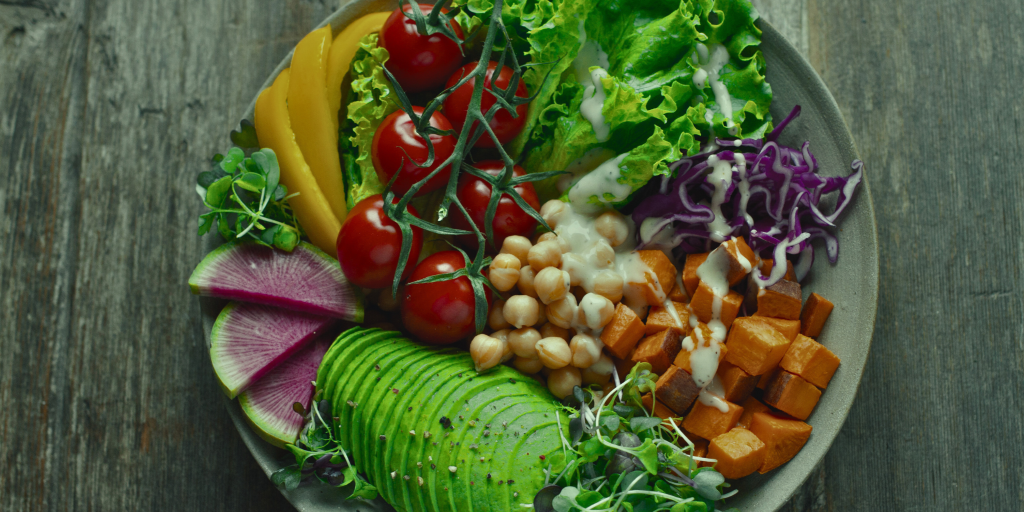
- Examples: Whole grains like quinoa, brown rice, oats, buckwheat; starchy vegetables such as sweet potatoes, butternut squash, and corn; legumes like lentils and chickpeas.
- Benefit Insight: They not only provide sustained energy but also aid in serotonin production, a neurotransmitter vital for mood regulation and feelings of well-being. A bowl of oatmeal with berries in the morning, for instance, can set a positive tone for your day.
Healthy Fats: Hormonal Harmony & Inflammation Control
Fats have been unfairly demonized in the past, but healthy fats are absolutely non-negotiable for hormonal health, especially in the luteal phase. Progesterone, the dominant hormone here, is synthesized from cholesterol, making healthy fat intake paramount.
- Examples: Avocados, nuts (walnuts, almonds), seeds (chia seeds, flax seeds, pumpkin seeds, sunflower seeds), fatty fish (salmon, mackerel, sardines), extra virgin olive oil.
- Benefit Insight: Omega-3 fatty acids found in fish and flax seeds are powerful anti-inflammatory agents. Reducing systemic inflammation can significantly lessen PMS symptoms like cramps and breast tenderness. They are also crucial for the absorption of fat-soluble vitamins (A, D, E, K), further enhancing overall health.
Magnesium-Rich Foods: The Natural PMS Reliever
Magnesium is often called the "relaxation mineral," and for good reason. It plays a role in over 300 biochemical reactions in the body, including muscle and nerve function, blood glucose control, and blood pressure regulation. Many women are deficient in magnesium, and this deficiency can exacerbate PMS symptoms.
- Examples: Dark leafy greens (spinach, kale, Swiss chard), legumes, nuts (almonds, cashews), seeds, bananas, dark chocolate (70% cocoa or higher), whole grains.
- Benefit Insight: Supplementing your diet with magnesium-rich foods can help alleviate muscle cramps, reduce headaches, improve sleep quality, and even lessen anxiety and irritability. Consider a daily handful of almonds or a sprinkle of pumpkin seeds on your salad.
Quality Protein: Sustaining Energy & Satiety
Adequate protein intake is fundamental throughout your cycle, but particularly important during the luteal phase. Protein helps stabilize blood sugar, promotes satiety, and provides the building blocks for muscle repair and hormone production. It's your secret weapon against mid-afternoon energy slumps and insatiable cravings.
- Examples: Lean meats, poultry, fish, eggs, Greek yogurt, tofu, tempeh, lentils, beans, edamame.
- Benefit Insight: Including a source of protein with every meal and snack will keep you feeling full and satisfied, preventing the urge to reach for less nutritious options. This also supports consistent energy levels, helping to combat fatigue.
Antioxidant-Rich Foods: Boosting Resilience and Reducing Stress
Your body is constantly battling oxidative stress, and the hormonal shifts of the luteal phase can sometimes add to this burden. Antioxidants are compounds that help protect your cells from damage, strengthening your immune system and supporting overall cellular health.
- Examples: A wide array of colorful fruits and vegetables (especially berries, leafy greens, bell peppers), dark chocolate, green tea, nuts.
- Benefit Insight: A diet rich in antioxidants can help reduce inflammation and support your body's natural resilience, indirectly alleviating symptoms like fatigue and promoting a greater sense of well-being.
Hydration & Electrolytes: Fighting Bloating & Headaches
It might seem counterintuitive, but drinking more water can actually help reduce bloating. When you're dehydrated, your body tends to hold onto water, leading to puffiness. Adequate fluid intake also supports digestion and helps prevent common luteal phase headaches.
- Examples: Plain water, herbal teas (peppermint, ginger), electrolyte-rich foods like coconut water, fruits (watermelon, oranges), and vegetables (cucumbers, celery).
- Practical Tip: Aim for at least 8 glasses of water daily, more if you're active. Reduce caffeine and sugary drinks, as they can contribute to dehydration and blood sugar imbalances.
For a deeper dive into tailored meal plans and comprehensive advice, you might find valuable insights in The Ultimate Luteal Phase Diet Guide: Boost Energy & Reduce PMS. Additionally, to understand the broader picture of managing your cycle, check out Optimize Your Luteal Phase: Foods for Hormonal Balance & Well-being.
Beyond Food: Lifestyle Tips for Luteal Phase Well-being
While Lutealphase Ernährung is a cornerstone of managing this phase, remember that nutrition works best in synergy with other healthy lifestyle practices. Holistic well-being encompasses more than just what's on your plate:
- Regular, Balanced Meals: Consistent eating helps maintain stable blood sugar levels, preventing energy crashes and intense cravings. Avoid skipping meals.
- Mindful Eating: Pay attention to your body's hunger and fullness cues. Eating slowly and savoring your food can improve digestion and satisfaction.
- Stress Management: High stress levels can worsen PMS symptoms. Incorporate relaxation techniques like meditation, yoga, deep breathing exercises, or simply spending time in nature.
- Adequate Sleep: Prioritize 7-9 hours of quality sleep per night. Sleep is crucial for hormone regulation, energy restoration, and mood stability.
- Moderate Exercise: Gentle movement, such as walking, swimming, or light yoga, can help alleviate bloating, improve circulation, and boost mood without over-stressing your body.
Conclusion
The luteal phase doesn't have to be a battle against bloating, fatigue, and cravings. By embracing a proactive approach to your diet and lifestyle – a mindful Lutealphase Ernährung strategy – you gain a powerful tool to nurture your body and mind. Focusing on complex carbohydrates, healthy fats, quality proteins, and micronutrients like magnesium, alongside adequate hydration and self-care, can transform your experience of this crucial menstrual cycle phase. Empower yourself with these nutritional insights, listen to your body, and discover a new level of well-being and balance.