Understanding the Luteal Phase: Your Body's Hormonal Blueprint
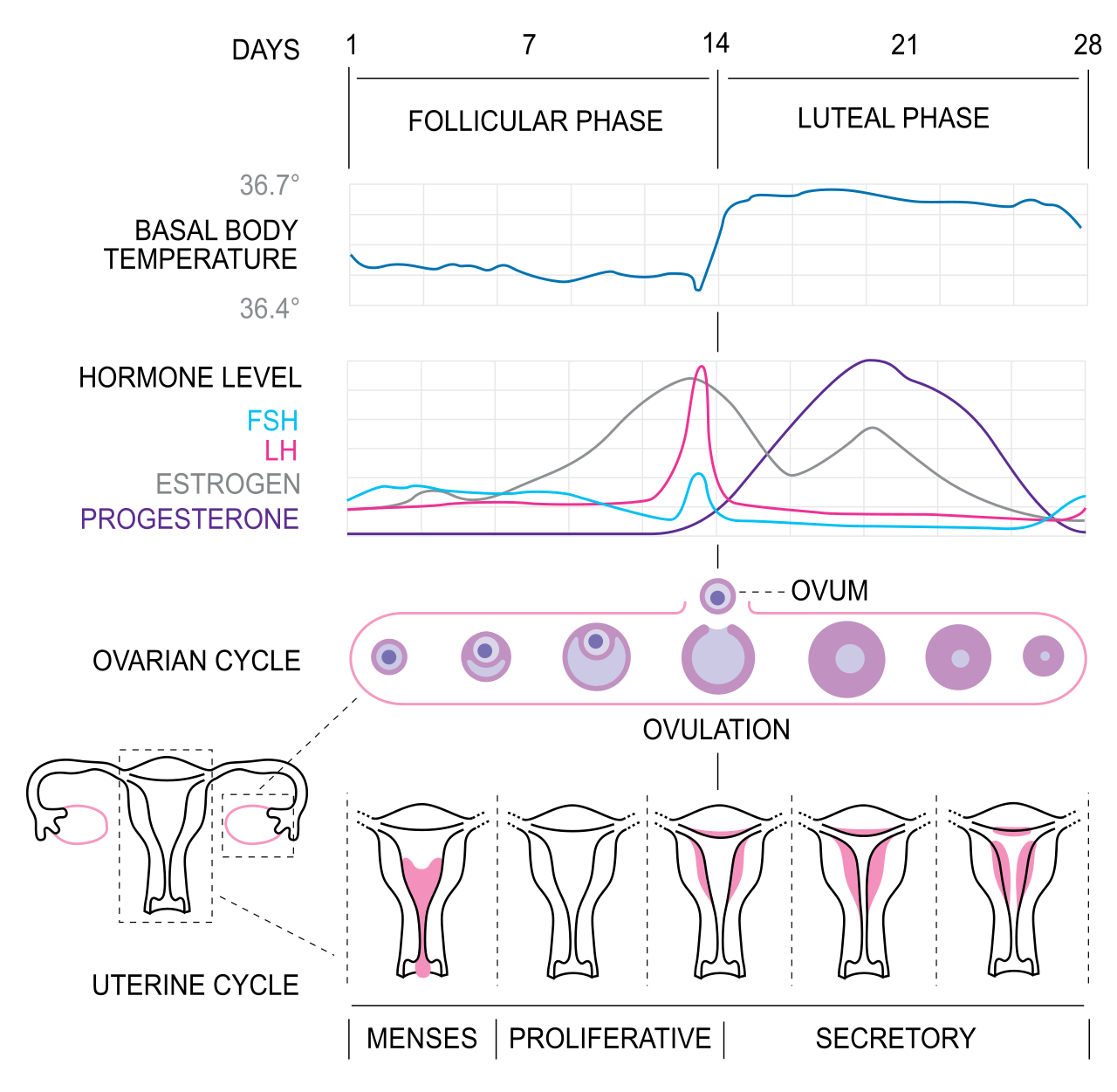
The menstrual cycle is a sophisticated dance of hormones, and the luteal phase plays a pivotal role in this intricate process. Far more than just the time leading up to your period, it's a period of crucial hormonal shifts that can significantly influence your physical and emotional well-being. For many, this phase is synonymous with premenstrual syndrome (PMS) – a collection of symptoms ranging from mood swings and fatigue to bloating and cravings.
However, what if you could navigate this phase with greater ease, boosted energy, and reduced discomfort? The answer lies in a targeted approach to your Luteal Phase Nutrition: Combat Bloating, Fatigue & Cravings. By understanding the unique nutritional demands of this time, you can empower your body to achieve greater balance and resilience.
What Exactly is the Luteal Phase?
The luteal phase is the second half of your menstrual cycle, commencing immediately after ovulation and concluding with the onset of menstruation. Typically spanning 10 to 14 days, this phase is characterized by a significant rise in progesterone, a hormone often hailed as the "calming hormone." After the egg is released during ovulation, the ruptured follicle transforms into the corpus luteum, which then produces progesterone. This increase in progesterone prepares the uterine lining for a potential pregnancy, making it thick and nutrient-rich.
Beyond uterine preparation, progesterone also exerts wide-ranging effects on your body, influencing mood, sleep, energy levels, and even digestion. A healthy rise and fall of progesterone are vital for overall hormonal balance. When this balance is disrupted, symptoms of PMS can intensify, making the luteal phase feel like an uphill battle.
Why Your Luteal Phase Diet is a Game-Changer
While hormonal fluctuations are natural, the severity of luteal phase symptoms can often be mitigated – or exacerbated – by your diet. An inadequate or imbalanced diet during this time can worsen common complaints such as:
- Mood Swings & Irritability: Linked to blood sugar instability and neurotransmitter imbalances.
- Fatigue & Low Energy: Often a result of poor nutrient absorption or fluctuating energy levels.
- Bloating & Digestive Distress: Can be caused by water retention, constipation, or inflammation.
- Cravings (especially for sugar): A common response to fluctuating blood sugar and hormonal shifts.
- Headaches & Migraines: Potentially tied to hormonal fluctuations and nutrient deficiencies (e.g., magnesium).
- Breast Tenderness: Can be influenced by estrogen dominance relative to progesterone.
By consciously adopting a supportive Luteal Phase Ernährung strategy, you provide your body with the essential building blocks it needs to produce and balance hormones, stabilize blood sugar, reduce inflammation, and support neurotransmitter function. This proactive approach can significantly enhance your quality of life during this often-challenging time.
Key Nutrients and Foods for Your Luteal Phase
Optimizing your Lutealphase Ernährung means focusing on whole, nutrient-dense foods that support hormonal balance, stabilize blood sugar, and provide sustained energy. Here are the power players you should integrate:
1. Complex Carbohydrates for Sustained Energy and Mood
Forget the quick fixes of refined sugars. During the luteal phase, your body benefits immensely from complex carbohydrates. These slow-release energy sources help stabilize blood sugar levels, preventing the drastic peaks and crashes that can trigger mood swings and intense cravings. Furthermore, complex carbs are crucial for the production of serotonin, a neurotransmitter that promotes feelings of well-being and happiness.
- Best Sources: Whole grains like quinoa, brown rice, oats, millet; starchy vegetables such as sweet potatoes, butternut squash, and corn; legumes like lentils and chickpeas.
- Tip: Start your day with a bowl of oatmeal topped with berries and nuts for sustained energy.
2. Healthy Fats for Hormonal Harmony
Fats are not the enemy; healthy fats are absolutely critical for hormone production, including progesterone. They also help reduce inflammation and keep you feeling full and satisfied, which can curb those infamous luteal phase cravings.
- Best Sources: Avocados, nuts (almonds, walnuts), seeds (chia seeds, flax seeds, hemp seeds, pumpkin seeds), extra virgin olive oil, and fatty fish like salmon, mackerel, and sardines (rich in Omega-3 fatty acids).
- Tip: Add a quarter of an avocado to your salad or snack on a handful of mixed nuts between meals.
3. Magnesium-Rich Foods for Relaxation and PMS Relief
Magnesium is a true powerhouse nutrient, particularly beneficial during the luteal phase. It's a natural muscle relaxant, helps reduce inflammation, and plays a role in over 300 biochemical reactions in the body. Many women find magnesium supplements or magnesium-rich foods incredibly effective at alleviating cramps, headaches, anxiety, and even sleep disturbances associated with PMS.
- Best Sources: Dark leafy greens (spinach, kale), legumes (black beans, lentils), nuts and seeds (almonds, cashews, pumpkin seeds), dark chocolate (70% cocoa or higher), bananas, and avocados.
- Tip: Incorporate a daily green smoothie or swap out processed snacks for a square of dark chocolate.
4. Protein Powerhouses for Satiety and Stability
Adequate protein intake is essential throughout your cycle, but especially during the luteal phase. Protein helps stabilize blood sugar, supports muscle repair, and contributes to the feeling of satiety, preventing overeating and unnecessary snacking. It also provides the amino acids necessary for neurotransmitter synthesis.
- Best Sources: Lean meats (chicken, turkey), fish, eggs, dairy products (Greek yogurt, cottage cheese), and plant-based proteins like tofu, tempeh, lentils, beans, and quinoa.
- Tip: Aim for a source of lean protein at every meal and snack to keep hunger at bay.
5. Antioxidant-Rich Foods for Cellular Health and Immune Support
Antioxidants combat oxidative stress and inflammation, which can be heightened during the luteal phase. They also support your immune system, which can sometimes feel run down pre-menstrually. A diet rich in vibrant, colorful fruits and vegetables ensures a broad spectrum of these protective compounds.
- Best Sources: Berries (blueberries, raspberries, strawberries), colorful vegetables (bell peppers, broccoli, spinach, sweet potatoes), dark chocolate, and green tea.
- Tip: "Eat the rainbow" – try to include a variety of colors in your meals daily.
6. Fiber for Digestive Health and Hormone Elimination
While often grouped with complex carbs, fiber deserves its own spotlight. It's crucial for healthy digestion, preventing constipation and bloating – common luteal phase complaints. Furthermore, fiber plays a vital role in escorting excess hormones, particularly estrogen, out of the body, which can help maintain a healthy hormonal balance.
- Best Sources: All whole grains, fruits with skins, vegetables, legumes, nuts, and seeds.
- Tip: Gradually increase your fiber intake to avoid digestive upset, and remember to drink plenty of water.
7. B Vitamins for Energy and Mood Regulation
B vitamins, especially B6 and B12, are critical during the luteal phase. Vitamin B6 is a co-factor in the production of progesterone and helps synthesize neurotransmitters like serotonin and dopamine, which are key for mood regulation. B12 is essential for energy production and can help combat fatigue.
- Best Sources: B6: Chicken, fish, potatoes, bananas, chickpeas. B12: Animal products (meat, fish, eggs, dairy) or fortified plant-based foods for vegans.
- Tip: Include a variety of these foods in your diet, or consider a high-quality B-complex supplement if deficiencies are suspected (consult a healthcare professional).
Effective Dietary Strategies for Your Luteal Phase
Beyond selecting the right foods, how you eat them also significantly impacts your well-being during the luteal phase.
1. Regular, Balanced Meals
Maintaining stable blood sugar is paramount. Aim for three balanced meals and 1-2 small, nutrient-dense snacks throughout the day. Skipping meals or going too long without food can lead to drastic blood sugar drops, triggering cravings, mood swings, and energy crashes. Each meal should ideally combine complex carbohydrates, lean protein, and healthy fats.
2. Prioritize Hydration
Often overlooked, sufficient water intake is a simple yet powerful strategy. Staying well-hydrated can significantly reduce bloating, which is often a result of the body holding onto water when it feels dehydrated. It also aids in digestion, nutrient transport, and helps prevent headaches.
- Tip: Carry a water bottle with you and aim for 8-10 glasses of filtered water daily. Herbal teas (like peppermint or ginger) can also be soothing.
3. Limit Inflammatory and Processed Foods
During the luteal phase, it's wise to reduce or eliminate foods that can exacerbate inflammation and hormonal imbalance. This includes:
- Refined Sugars: Found in sweets, sodas, and many processed foods, they cause rapid blood sugar spikes and crashes.
- Excessive Caffeine: Can contribute to anxiety, sleep disturbances, and breast tenderness. Try switching to decaf or herbal teas.
- High-Sodium Foods: Can increase water retention and bloating. Opt for fresh, whole ingredients instead.
- Highly Processed Foods: Often contain unhealthy fats, artificial ingredients, and hidden sugars that contribute to inflammation and digestive issues.
4. Mindful Eating
Pay attention to your body's signals. Eat when you're hungry and stop when you're satisfied, not overly full. Chewing slowly and savoring your meals can improve digestion and absorption of nutrients, and also help reduce stress, which impacts hormonal health.
Putting It All Together: A Sample Luteal Phase Day
Here’s how you might structure a day following a supportive Lutealphase Ernährung:
- Breakfast: Oatmeal cooked with water or unsweetened almond milk, topped with berries, a tablespoon of chia seeds, and a sprinkle of pumpkin seeds.
- Mid-Morning Snack: Apple slices with a tablespoon of almond butter.
- Lunch: Large salad with mixed greens, grilled salmon (healthy fats, protein), chickpeas (complex carbs, fiber), avocado, and a light olive oil vinaigrette.
- Mid-Afternoon Snack: Greek yogurt (protein) with a handful of walnuts and a small square of dark chocolate.
- Dinner: Baked sweet potato (complex carb, magnesium) with lean chicken breast or lentils (protein), and a side of steamed broccoli and spinach (antioxidants, magnesium, fiber).
Conclusion: Empower Your Luteal Phase with Nutrition
The luteal phase doesn't have to be a dreaded time of the month. By thoughtfully incorporating the principles of a tailored Lutealphase Ernährung, you can significantly boost your energy, stabilize your mood, reduce uncomfortable symptoms, and foster overall hormonal well-being. This isn't about restrictive dieting, but rather about nourishing your body with intention and kindness. Listen to your body, experiment with these food choices, and discover how powerful a targeted diet can be in transforming your luteal phase experience.