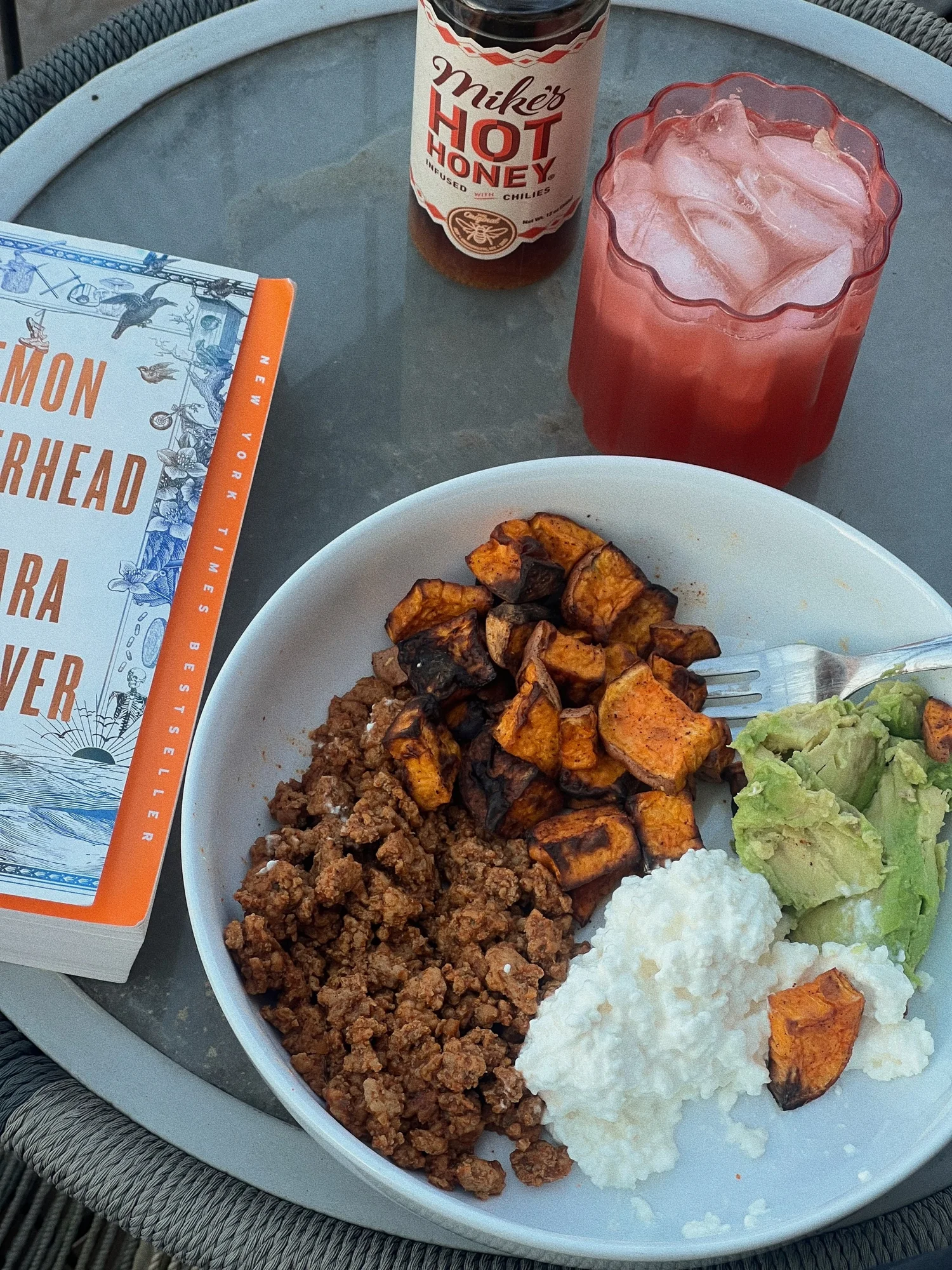
Understanding the Luteal Phase: A Time for Nutritional Support
The menstrual cycle is a sophisticated dance of hormones, each phase bringing unique physiological demands. Among these, the luteal phase often stands out as a challenging period for many, marked by shifts that can trigger symptoms ranging from mood swings and fatigue to bloating and intense cravings. However, by embracing a targeted approach to your diet—often referred to as Lutealphase Ernährung in German, or simply "luteal phase nutrition" in English—you can significantly optimize hormonal balance, alleviate discomfort, and enhance your overall well-being during this crucial time.
This article delves into the transformative power of specific foods and dietary strategies to support your body through the luteal phase. We'll explore why nutrition is so vital and what dietary choices can empower you to feel your best.
What Exactly is the Luteal Phase and Why Does it Matter?
The luteal phase is a pivotal stage of your menstrual cycle, beginning immediately after ovulation and concluding with the onset of menstruation. Typically lasting 10 to 14 days, this phase is dominated by a surge in progesterone, a hormone critical for preparing the uterine lining for a potential pregnancy. If conception doesn't occur, progesterone levels decline, leading to menstruation.
This rise and fall of hormones, particularly progesterone and estrogen, can significantly impact your body. These fluctuations influence neurotransmitters like serotonin, affecting mood and sleep, and can also lead to fluid retention, digestive changes, and increased energy demands. Recognizing these physiological shifts is the first step towards understanding why specialized luteal phase nutrition is not just beneficial, but essential for many individuals.
The Power of Nutrition During the Luteal Phase
Many common premenstrual symptoms (PMS) like irritability, anxiety, fatigue, headaches, and digestive issues such as bloating and constipation are often exacerbated by hormonal imbalances and nutritional deficiencies. An intentional dietary approach during this phase can act as a powerful buffer against these challenges, helping to stabilize blood sugar, reduce inflammation, support hormone production and detoxification, and even boost mood.
By focusing on nutrient-dense foods, you equip your body with the building blocks it needs to navigate these hormonal fluctuations more smoothly. This is where the concept of Lutealphase Ernährung truly shines, offering a pathway to not just symptom relief, but also enhanced energy and emotional stability.
Key Nutrients & Foods for a Balanced Luteal Phase
Integrating specific food groups into your diet during the luteal phase can make a world of difference. Here's a comprehensive guide to what to prioritize:
1. Complex Carbohydrates: Sustained Energy & Mood Stability
Unlike simple sugars that cause rapid spikes and crashes, complex carbohydrates provide a slow, steady release of glucose into the bloodstream. This stability is crucial for regulating mood, preventing energy dips, and curbing cravings. They are also vital for serotonin production, our "feel-good" neurotransmitter.
- Sources: Whole grains (oats, quinoa, brown rice, whole-wheat bread), starchy vegetables (sweet potatoes, squash, corn), legumes (lentils, beans).
- Benefit: Supports blood sugar regulation, provides sustained energy, and aids in mood enhancement.
2. Healthy Fats: Hormonal Harmony & Anti-Inflammatory Action
Fats are not the enemy; healthy fats are absolutely essential for hormone synthesis, including progesterone. They also play a critical role in reducing inflammation, a common culprit behind PMS symptoms like cramps and headaches.
- Sources: Avocados, nuts (almonds, walnuts), seeds (chia, flax, pumpkin, sunflower), fatty fish (salmon, mackerel, sardines), extra virgin olive oil.
- Benefit: Crucial for hormone production, excellent anti-inflammatory properties, and provide long-lasting satiety.
3. Magnesium-Rich Foods: Muscle Relaxation & Mood Regulation
Magnesium is a true powerhouse mineral, involved in over 300 biochemical reactions in the body. During the luteal phase, it's particularly important for relaxing muscles (helping with cramps), reducing anxiety, improving sleep, and alleviating headaches.
- Sources: Dark leafy greens (spinach, kale), legumes, nuts (especially almonds and cashews), seeds, dark chocolate (in moderation), bananas, avocados.
- Benefit: Helps alleviate muscle cramps, reduces stress and anxiety, and can improve sleep quality.
4. Quality Proteins: Satiety, Energy & Neurotransmitter Support
Adequate protein intake is vital for maintaining muscle mass, supporting overall energy levels, and providing the amino acids necessary for neurotransmitter synthesis. Protein also helps to keep you feeling full and satisfied, which can combat cravings.
- Sources: Lean meats (chicken, turkey), fish, eggs, dairy products (yogurt, cottage cheese), plant-based proteins (tofu, tempeh, lentils, chickpeas, edamame).
- Benefit: Promotes satiety, stabilizes blood sugar, and provides essential building blocks for hormones and neurotransmitters.
5. Antioxidant-Rich Foods: Cellular Protection & Immune Boost
Our bodies are constantly exposed to oxidative stress, which can be amplified by hormonal fluctuations. Antioxidants help to neutralize free radicals, protecting cells from damage and supporting a robust immune system.
- Sources: Berries (blueberries, raspberries, strawberries), colorful fruits and vegetables (bell peppers, tomatoes, carrots), dark leafy greens, nuts, seeds, green tea.
- Benefit: Reduces oxidative stress, supports cellular health, and strengthens the immune system.
6. B Vitamins: Energy & Progesterone Support
B vitamins, particularly B6, are crucial during the luteal phase. Vitamin B6 is a cofactor in the synthesis of neurotransmitters like serotonin and dopamine, which can impact mood. It also plays a role in progesterone production and helps the liver metabolize excess estrogen.
- Sources: Whole grains, eggs, lean meats, fish, legumes, nuts, seeds, leafy greens.
- Benefit: Supports energy production, aids in hormone metabolism, and can help alleviate mood swings.
7. Fiber: Gut Health & Hormone Detoxification
Fiber is paramount for digestive health, helping to prevent bloating and constipation. Beyond that, it plays a key role in hormone balance by aiding the liver in detoxifying excess estrogen, which can be a contributor to PMS symptoms if not properly eliminated.
- Sources: All whole grains, fruits (especially with skin), vegetables, legumes, nuts, seeds.
- Benefit: Promotes healthy digestion, supports hormone balance, and enhances satiety.
Smart Eating Strategies for the Luteal Phase
Beyond individual food choices, how you approach your meals can significantly impact your luteal phase experience. Consider these practical strategies:
1. Prioritize Regular Meals & Snacks
To keep blood sugar stable and energy levels consistent, aim for smaller, more frequent meals. Skipping meals can lead to significant blood sugar dips, intensifying cravings and mood fluctuations. Having healthy snacks on hand, such as a handful of nuts, an apple with almond butter, or some Greek yogurt, can be incredibly helpful.
2. Stay Adequately Hydrated
Drinking enough water is simple yet profoundly effective. Proper hydration can help reduce water retention and bloating, prevent headaches, and support all metabolic processes. Aim for at least 8 glasses of water daily, and consider herbal teas or infused water for variety.
For more detailed insights into combating common luteal phase discomforts, you might find this article helpful: Luteal Phase Nutrition: Combat Bloating, Fatigue & Cravings.
3. Moderate Caffeine & Alcohol Intake
While a morning coffee might be a ritual, excessive caffeine can heighten anxiety and disrupt sleep, both of which are common luteal phase challenges. Similarly, alcohol can interfere with hormone metabolism in the liver and dehydrate the body, potentially worsening PMS symptoms. Consider reducing or temporarily cutting back on these substances.
4. Limit Refined Sugars & Processed Foods
These foods offer little nutritional value and can trigger significant blood sugar swings, leading to increased cravings, irritability, and fatigue. Opt for whole, unprocessed foods as much as possible to give your body the best support.
5. Listen to Your Body
Every individual is unique. Pay attention to how different foods make you feel. Keep a food and symptom journal to identify patterns and personalize your Lutealphase Ernährung approach. You might find certain foods exacerbate your symptoms, while others offer significant relief.
For a deeper dive into optimizing your diet throughout this period, explore The Ultimate Luteal Phase Diet Guide: Boost Energy & Reduce PMS.
Beyond Nutrition: A Holistic View
While diet is a cornerstone of luteal phase well-being, it's part of a larger picture. Complement your nutritional efforts with other lifestyle practices:
- Stress Management: Practices like meditation, deep breathing, or yoga can help mitigate the impact of stress hormones.
- Adequate Sleep: Aim for 7-9 hours of quality sleep per night to support hormone regulation and overall recovery.
- Gentle Exercise: Regular physical activity can boost mood, reduce stress, and alleviate physical symptoms.
Conclusion
The luteal phase doesn't have to be a period of dread. By strategically adjusting your diet with a focus on nutrient-dense foods, stable blood sugar, and hormonal support, you can transform your experience. Embracing a thoughtful Lutealphase Ernährung strategy empowers you to manage symptoms effectively, enhance your mood, and cultivate a deeper sense of well-being throughout your entire cycle. Start by incorporating these recommendations, experiment with what works best for your body, and reclaim comfort and balance in your luteal phase.